
 See Our Latest Article on HelloNation
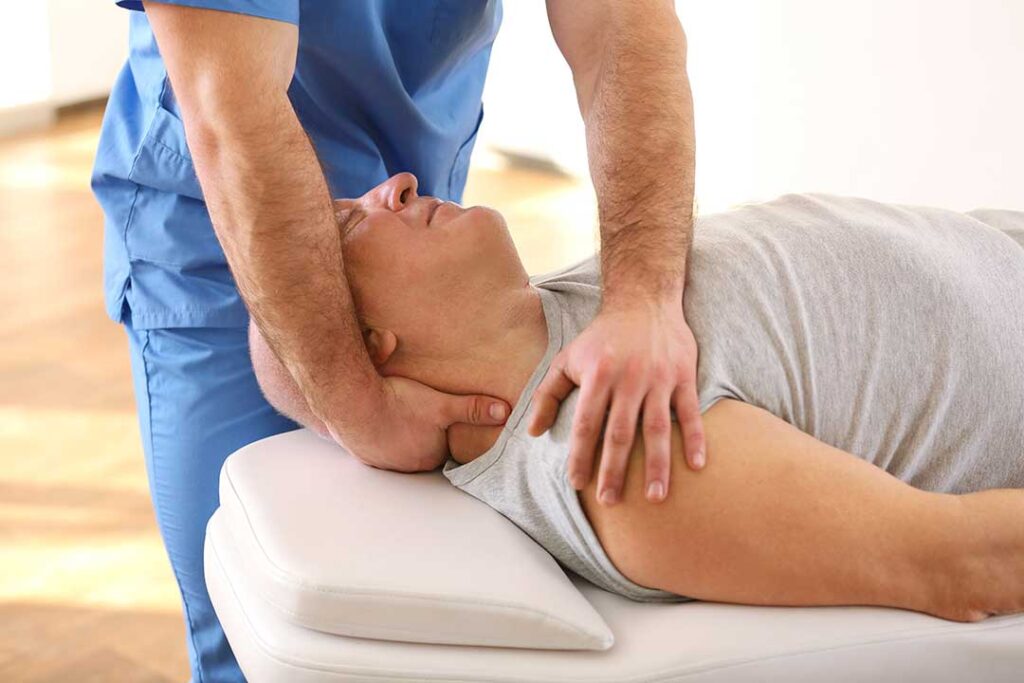
Simple mobility exercises can help reduce stiffness, maintain comfortable movement, and make daily activities easier. For residents of Ithaca, NY, a short routine may be especially useful during long indoor stretches, icy conditions, gardening season, or periods of increased walking and outdoor activity.
Mobility work is different from forcing a deep stretch. The goal is controlled movement through a comfortable range, not pushing into pain. Most exercises can be done at home with a sturdy chair, a wall, or open floor space.
What does mobility exercise mean?
Mobility exercises use slow, controlled movements to help a joint move more freely. They often combine flexibility, balance, coordination, and light muscle control.
Stretching usually focuses on holding a position for a period of time. Mobility exercises generally involve repeated movement, such as slowly rotating the upper back or moving the ankle through several directions.
Examples include:
- Turning the head gently from side to side
- Moving the shoulders through controlled circles
- Rotating the upper back while seated
- Bending and straightening the ankles
- Practicing a slow sit-to-stand
Mobility exercises should feel purposeful but manageable. Mild tension is common. Sharp pain, numbness, tingling, unusual weakness, or dizziness is a reason to stop.
How often should mobility exercises be done?
A short routine performed most days is usually more practical than a long session done occasionally. Five to ten minutes can be enough to loosen up after sitting, prepare for activity, or wind down before bed.
A simple schedule might include:
- Morning: gentle neck, shoulder, and ankle movements
- During the workday: standing, walking, and upper-back mobility
- Before outdoor activity: controlled leg and hip movements
- Evening: relaxed spinal, hip, and breathing exercises
Mobility work should not leave the body feeling strained for the rest of the day. If soreness persists or steadily worsens, reduce the range of motion and repetitions.
Which exercises can help the neck and shoulders?
Neck and shoulder mobility may be useful after computer work, reading, driving, or other activities that keep the head and arms in one position.
Gentle neck turns
Sit or stand tall with the shoulders relaxed. Slowly turn the head to the right until a comfortable limit, return to the center, and repeat on the left.
- Perform 5 to 8 repetitions per side
- Keep the chin level
- Avoid pulling the head with the hand
- Move more slowly if the neck feels sensitive
Shoulder circles
Lift the shoulders gently toward the ears, move them backward, lower them, and then bring them forward. Make smooth circles rather than large, forceful movements.
Complete 5 circles in each direction. This exercise should not create pinching in the shoulder.
Wall slides
Stand with the back near a wall, if comfortable. Place the arms in a relaxed “goalpost” position and slowly slide them upward without shrugging. Lower the arms with control.
Perform 5 to 10 repetitions. The arms do not need to touch the wall throughout the motion.
How can someone improve upper-back mobility?
The upper back can become stiff after prolonged sitting or repeated forward-reaching tasks. Improving movement in this area may make it easier to turn, reach, and maintain a more comfortable posture.
Seated upper-back rotation
Sit sideways on a sturdy chair, with both feet on the floor. Cross the arms over the chest. Keeping the hips facing forward, slowly rotate the chest toward the back of the chair. Return to center and repeat on the other side.
Try 5 repetitions in each direction. The movement should come from the upper back rather than from twisting aggressively through the lower spine.
Supported chest opening
Stand beside a wall or doorway and place the forearm against it at a comfortable height. Turn the body slightly away until a mild stretch is felt across the chest and front of the shoulder.
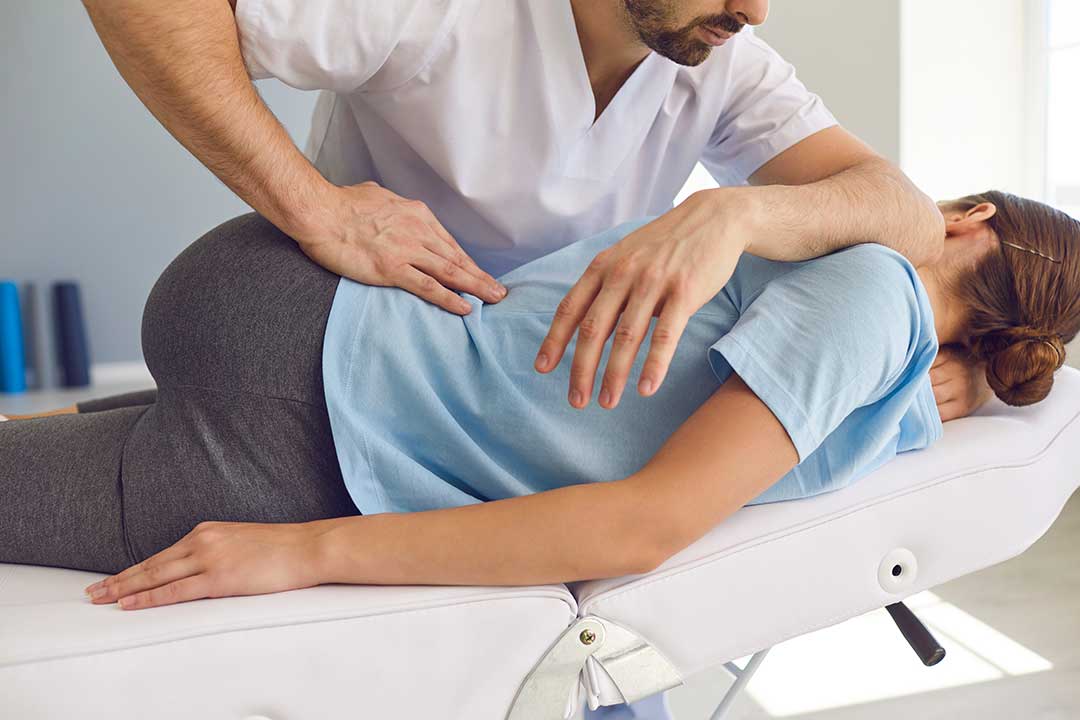
Hold for 15 to 20 seconds, then switch sides. Avoid this exercise if it creates shoulder pain, numbness, or a feeling of instability.
What are useful mobility exercises for the hips and lower back?
Hip mobility can support walking, stair use, gardening, lifting, and getting up from a chair. Lower-back movement should remain gentle, especially if symptoms are new or easily aggravated.
Pelvic tilts
Lie on the back with the knees bent and feet supported on the floor. Gently tighten the abdomen and flatten the lower back toward the floor. Then release into a neutral position.
Repeat 8 to 12 times without holding the breath. The movement should be small and controlled.
Hip shifts
Stand near a countertop or sturdy chair for support. Shift the hips slowly to one side, return to center, and shift to the other side. Keep the feet planted.
Perform 5 to 8 repetitions per side. This can help practice side-to-side weight transfer without requiring a deep stretch.
Sit-to-stand
Use a stable chair. Place the feet about hip-width apart, lean the chest slightly forward, and stand without pushing off if that feels safe. Slowly lower back down.
Begin with 5 repetitions. Keep the knees generally aligned with the feet and avoid dropping heavily into the chair.
Which movements help the ankles and legs?
Ankle mobility matters for walking on uneven ground, using stairs, balancing, and responding to seasonal surface changes. Snow, ice, wet leaves, and uneven paths can all increase the demand on the feet and lower legs.
Ankle pumps
While seated or lying down, point the toes away and then pull them gently toward the shins. Repeat 10 to 15 times.
Ankle circles
Lift one foot slightly from the floor and slowly draw circles with the toes. Complete 5 circles in each direction, then switch sides.
Supported calf raises
Stand behind a sturdy chair and hold it lightly. Rise onto the balls of the feet, pause briefly, and lower the heels slowly.
Start with 8 repetitions. This is a strengthening exercise as well as a movement practice, so use support if balance is uncertain.
How can mobility exercises fit into local routines?
In Ithaca, seasonal changes can alter how people move. Cold weather may encourage longer periods of sitting indoors, while warmer months often bring more walking, yard work, cycling, and recreational activity. A mobility routine can be adjusted to match those demands.
Before outdoor tasks, use active movements such as ankle circles, hip shifts, shoulder circles, and easy walking. Save longer, relaxed stretches for after activity or for a separate time of day.
Homes with older flooring, stairs, narrow hallways, or limited open space may require extra attention to setup. Clear loose rugs and clutter, wear supportive footwear when standing, and use a wall or sturdy chair for balance exercises.
When should at-home mobility exercises be avoided?
Mobility exercises are not appropriate for every symptom. Stop and seek timely medical guidance for severe or unexplained pain, new numbness or weakness, loss of coordination, fainting, chest pain, major swelling, or symptoms following a significant fall or collision.
Extra caution is also appropriate after surgery, during pregnancy, with known joint instability, or when a condition has specific movement restrictions. A movement that helps one person may aggravate another, so exercises should be modified to fit the individual.
For ordinary stiffness, the safest approach is usually gradual movement within a comfortable range. Keep breathing normally, avoid bouncing, and do not treat pain as a sign that an exercise is working. A consistent, moderate routine is more useful than forcing large movements.
