
 See Our Latest Article on HelloNation
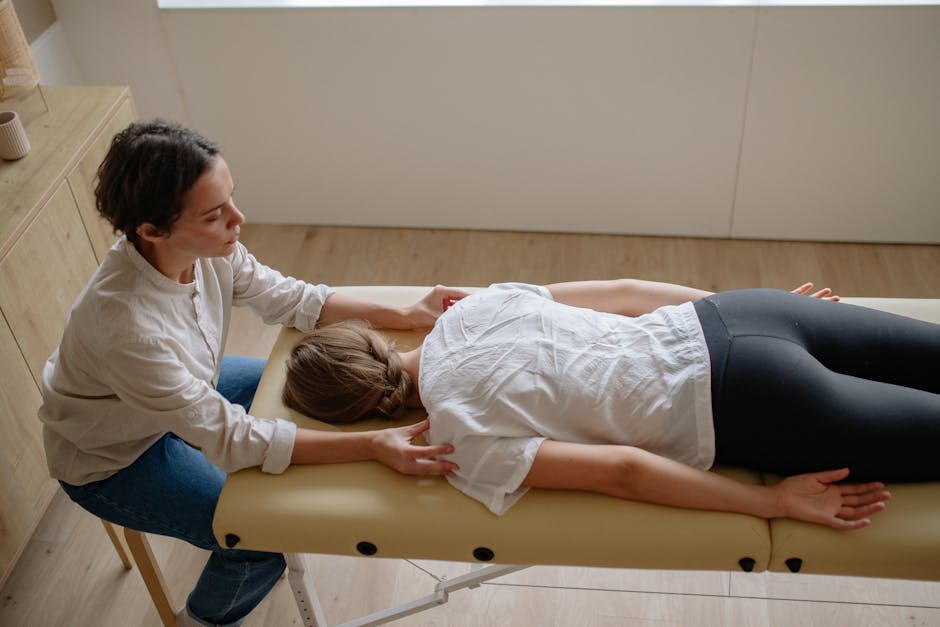
Living in the vibrant and active community of Ithaca, New York, many residents take advantage of gorge hikes, cycling on rolling hills, or bustling around the Ithaca Farmers Market. But what happens when jaw pain or tension interrupts your daily rhythm? An achy jaw isn’t just a local annoyance; it might be telling you something about your overall spinal health. At first, jaw pain and back issues seem unrelated, but they’re often more connected than you might think.
Understanding the Jaw-Spine Connection
The jaw, or temporomandibular joint (TMJ), is a complex hinge responsible for essential functions like chewing, speaking, and even breathing. Its harmony depends on a network of muscles, nerves, and supporting spinal structures. When those supporting structures—especially those in the neck and upper back—are compromised, the jaw often suffers.
Here’s how the link works:
- The spine, especially the cervical (neck) region, provides stability and nerve signals for the muscles that control your jaw.
- Misalignments in the cervical spine can trigger muscular tension or nerve interference, impacting how your jaw moves or feels.
- Conversely, chronic jaw tension from stress (common during exam season for Cornell or Ithaca College students), teeth grinding, or dental misalignments can place pressure on neck and upper back muscles.
Why Is This Important for Ithaca Residents?
Ithaca’s lifestyle involves a mix of physical activity, intense academic focus, and variable weather—all of which can stress muscles and joints.
- Hiking the local gorges or Cayuga Trail often requires postural adaptation, and backpack-carrying students are prone to poor posture.
- The frequent use of laptops, smartphones, and library study sessions leads many residents to crane their heads forward, straining both neck and jaw.
- Ithaca’s cold, damp winters can also contribute to increased muscular tension and poor posture.
For locals, being proactive about spinal and jaw health is not just about staying pain-free; it’s about maintaining the energy and mobility to engage fully in our unique Finger Lakes lifestyle.
Common Symptoms Linking Jaw Pain and Spinal Health
If you’re unsure whether your jaw pain might be linked to your spine, here are some signs to watch for:
- Chronic or recurring jaw aching, clicking, or popping
- Frequent tension headaches or migraines, especially in the temples or behind the eyes
- Neck pain or stiffness that accompanies jaw discomfort
- Shoulder tension after long periods of study or work
- Earaches or feelings of fullness in the ears (without infection)
- Tingling or numbness in the arms, fingers, or around the jaw
Recognizing these patterns can help you decide if a spine-centered approach could benefit your overall jaw and head comfort.
How Can a Chiropractor Help?
Chiropractors are trained to assess not just isolated areas of pain but to look for patterns across your whole musculoskeletal system. If you present with jaw pain, a thorough chiropractor will:
- Evaluate your posture—especially how your head, neck, and jaw align in sitting and standing positions.
- Assess spinal misalignments or subluxations in the neck, which may affect the nerves serving the jaw muscles and joints.
- Suggest exercises or posture corrections relevant to common activities in Ithaca, like backpack use, biking, or gardening.
- Collaborate with local dentists if teeth grinding (bruxism) is a contributing factor, since bite guards alone rarely address underlying alignment issues.
Treatment may include gentle neck and upper back adjustments, soft tissue techniques to relax jaw or neck muscles, and advice on ergonomic study or workspaces—such as setting up your home office with better posture while looking out at Cayuga Lake.
Tips for Maintaining Healthy Jaw and Spinal Alignment in Ithaca
Living in Ithaca presents unique opportunities and challenges when it comes to body mechanics. Here are practical strategies to support your jaw and spinal health:
- Posture Matters: Whether you’re studying at the Tompkins County Public Library or working remotely at a downtown café, take frequent breaks to sit upright, aligning your ears over your shoulders.
- Mindful Movement: When you’re hiking up Buttermilk Falls or cycling to the Commons, be mindful not to crane your neck forward, which can strain jaw and neck muscles.
- Manage Stress: Yoga, meditation, or simply taking in sunset views at Stewart Park can help relieve jaw clenching or nighttime grinding.
- Stretching and Strengthening: Gentle neck, upper back, and jaw stretches ease tension. Ask a chiropractor for exercises tailored for local lifestyles, from gardening in the Cooperative Extension’s demonstration gardens to hauling groceries from GreenStar.
- Stay Warm and Relaxed: Especially in chilly Ithaca winters, keep your neck warm and relaxed with scarves or gentle heat if you’re prone to tensing up.
When to Seek Professional Help
If jaw or neck pain limits your daily activities—whether that’s canoeing on Cayuga Lake, enjoying a meal out in Collegetown, or simply sleeping well—it’s time to seek professional guidance. Persistent or worsening symptoms may indicate a deeper alignment or nerve issue that chiropractors are uniquely trained to address.
Final Thoughts
Jaw pain is never just “all in your head.” As the Ithaca community continues to thrive in academics, outdoor adventure, and the arts, remember that addressing the connection between jaw health and spinal alignment ensures you stay engaged in all that makes this town special. Listening to your body—and seeking holistic, expert evaluation—keeps you moving, smiling, and thriving here in the heart of the Finger Lakes.
