
 See Our Latest Article on HelloNation
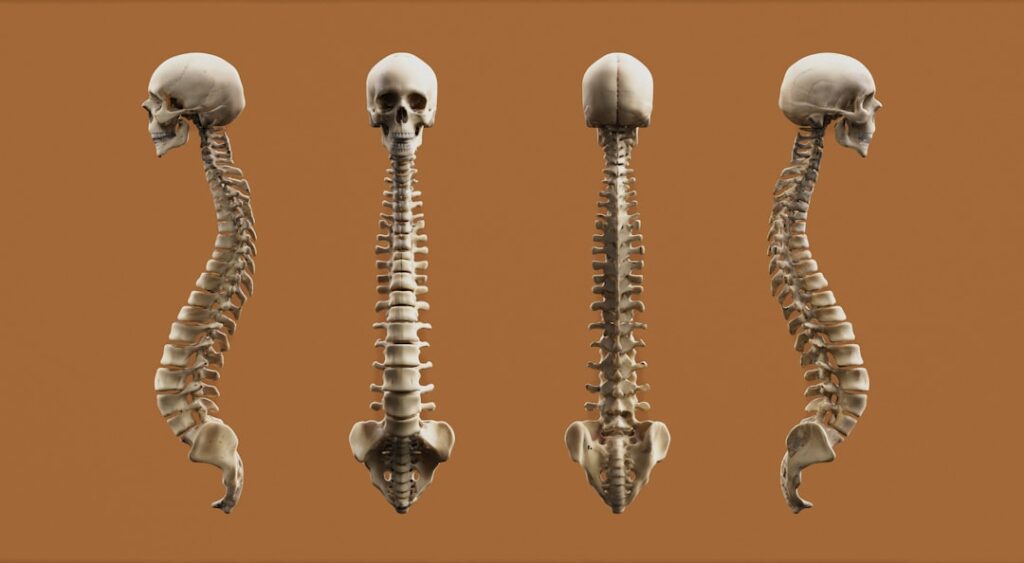
Living in Ithaca, NY means enjoying breathtaking gorges, thriving farmers markets, premier educational institutions, and a lifestyle that encourages outdoor activity. Whether you’re hiking in Robert H. Treman State Park, biking along the Black Diamond Trail, or simply navigating Cornell’s iconic hills, your body’s health is vital to enjoying everything this unique region offers. Many Ithacans—students, professors, professionals, and families—seek to maintain an active lifestyle, but hidden obstacles to well-being can sometimes get in the way. One such hidden obstacle is something chiropractors call a “subluxation.” But what exactly is a subluxation, and why does it matter for people living in Ithaca?
What Is a Subluxation?
In chiropractic care, a subluxation refers to a misalignment or dysfunction of a joint—most commonly in the spine—that disrupts normal motion and can impact surrounding nerves and tissues. This isn't a bone dramatically out of place, but rather a subtle shift that can create significant consequences for your overall health.
Specifically:
- A subluxation happens when a vertebra moves out of its normal position, often due to stress, repetitive activity, trauma, or poor posture.
- This misalignment can put pressure on nearby nerves, affecting not just pain but also the body’s ability to communicate and function optimally.
- In chiropractic philosophy, subluxations are seen as potential disruptors of the body's natural self-healing abilities.
A traditional medical doctor may use the term “subluxation” to refer to a partial dislocation visible on an X-ray, but chiropractors use a broader definition that encompasses functional misalignments that may not appear in structural imaging, but nonetheless affect health.
Why Do Subluxations Matter?
Subluxations, though subtle, can have a ripple effect on your wellbeing. Here are some reasons subluxations matter—especially for Ithaca’s active and academically engaged community:
- Nerve Interference: The spine protects the spinal cord, which, along with the brain, composes your central nervous system. Even a minor misalignment can disrupt nerve signals, possibly leading to symptoms such as pain, numbness, tingling, and even problems that seem unrelated, like headaches, digestive issues, or sleep disturbances.
- Mobility and Flexibility: In a city like Ithaca, where hiking, biking, running, and yoga are common activities, joint health is essential. Subluxations can cause decreased range of motion, stiffness, or recurring injuries, making favorite activities less enjoyable or even impossible without discomfort.
- Postural Effects: Many Ithacans—especially students and professors—spend long hours reading, working at desks, or using digital devices. Prolonged sitting or poor posture can contribute to subluxations of the spine, which then perpetuate a cycle of tension, discomfort, and fatigue.
- Chronic Pain and Lifestyle Impact: Left unaddressed, subluxations can lead to chronic pain—whether that’s ongoing lower back pain, neck tension, or headaches. For someone trying to balance a full local lifestyle, chronic pain can sap your productivity and joy.
What Causes Subluxations in Ithaca?
While anyone can develop a subluxation, certain lifestyle factors common in Ithaca make them more likely:
- Repetitive motions from outdoor hobbies (kayaking, climbing, cross-country skiing).
- Sitting for prolonged periods studying in local libraries or coffee shops.
- Daily wear and tear from commuting up and down Ithaca’s hilly terrain, whether by bike, foot, or car.
- Stress—mental or physical—associated with the fast pace of college semesters or busy work schedules.
- Accidents, slips on icy winter sidewalks, sports injuries, or even awkward lifting during community garden projects.
How Do Chiropractors Identify a Subluxation?
Chiropractors use a variety of methods to detect subluxations:
- Physical Examination: Checking posture, range of motion, tenderness, or muscular imbalances.
- Neurological Testing: Assessing how nerves are functioning in the affected area.
- Palpation: Feeling the spine and joints for abnormal movement or tissue changes.
- Lifestyle Assessment: Discussing daily routines, past injuries, and physical activity levels, which can provide important clues.

Addressing Subluxations: What Happens Next?
When a chiropractor identifies a subluxation, customized care plans aim to restore proper alignment and function. This typically involves:
- Spinal Adjustments: Gentle manual maneuvers to help the joint move back to its correct position.
- Lifestyle Recommendations: Ergonomic advice for students, professionals, or anyone spending lots of time working at a desk or device.
- Therapeutic Exercises: Stretches and movements designed to improve alignment and prevent recurrence—perfect for the active Ithacan who wants to return to the trails or paddling on Cayuga Lake.
- Education: Teaching patients about posture, movement, and self-care for lasting improvements.
Can Subluxations Be Prevented?
While it’s not always possible to prevent every subluxation, particularly in an active, outdoor-loving community like Ithaca, some habits can reduce your risk:
- Stay active with a mix of strengthening and flexibility exercises.
- Use ergonomic backpacks and study setups, especially for students and faculty.
- Take frequent breaks from sitting or repetitive activities.
- Listen to your body and address small aches before they become bigger problems.
- Seek periodic spinal checkups if you notice recurring pain, stiffness, or loss of performance in your favorite activities.
Why Subluxations Matter for Ithaca’s Community Wellness
Ithaca’s blend of outdoor adventure, academic intensity, and artistic flair means its residents need to feel their best. By better understanding subluxations, individuals and families can take proactive steps to address minor misalignments before they turn into major obstacles. That means more days exploring the Commons, enjoying local festivals, hiking the Finger Lakes trails—or simply moving through the world with less pain and greater energy.
If you have questions about subluxations, or if you’re experiencing persistent aches and pains, consider reaching out for a spinal health assessment. Your body—and the lifestyle you love—will thank you.
